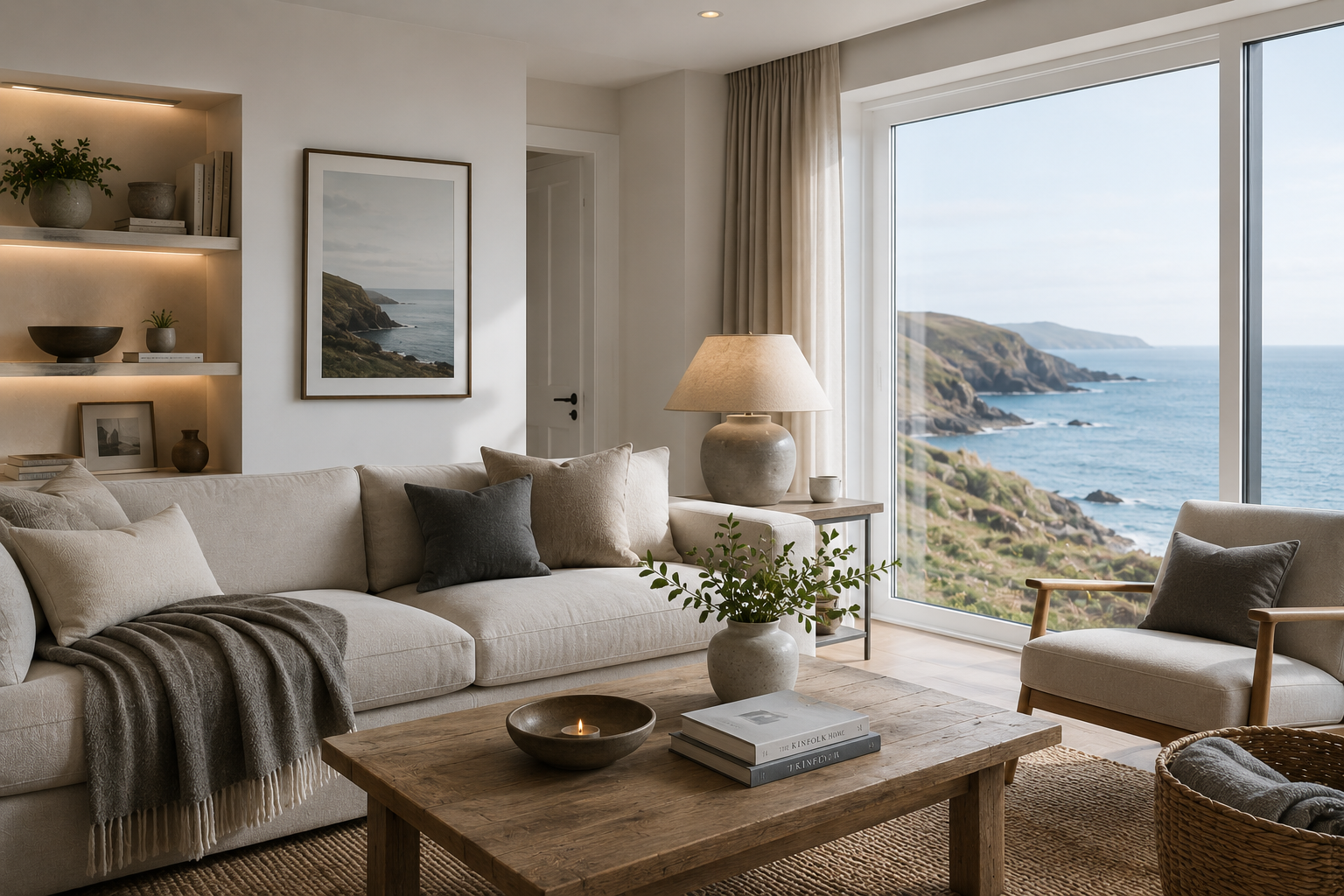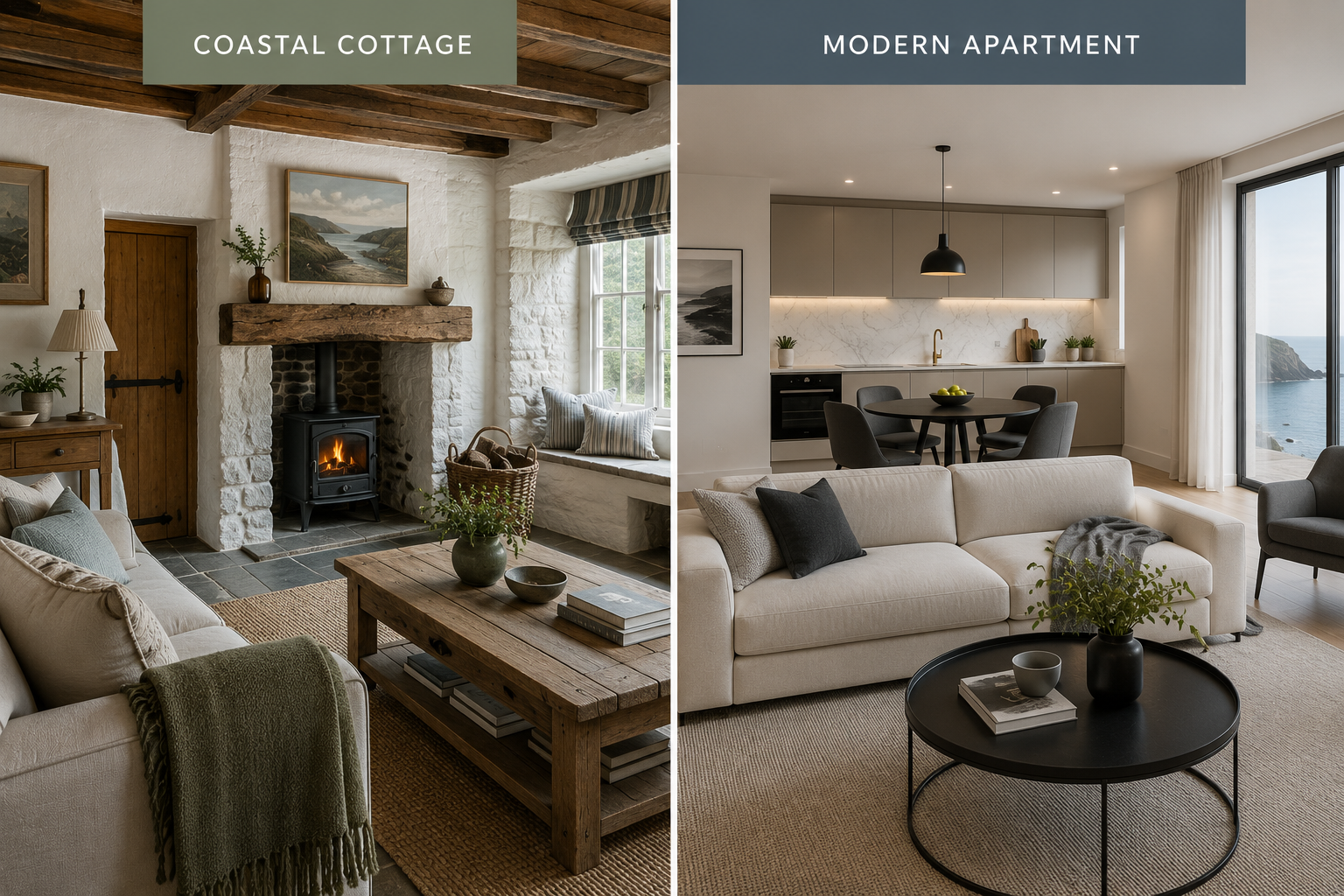
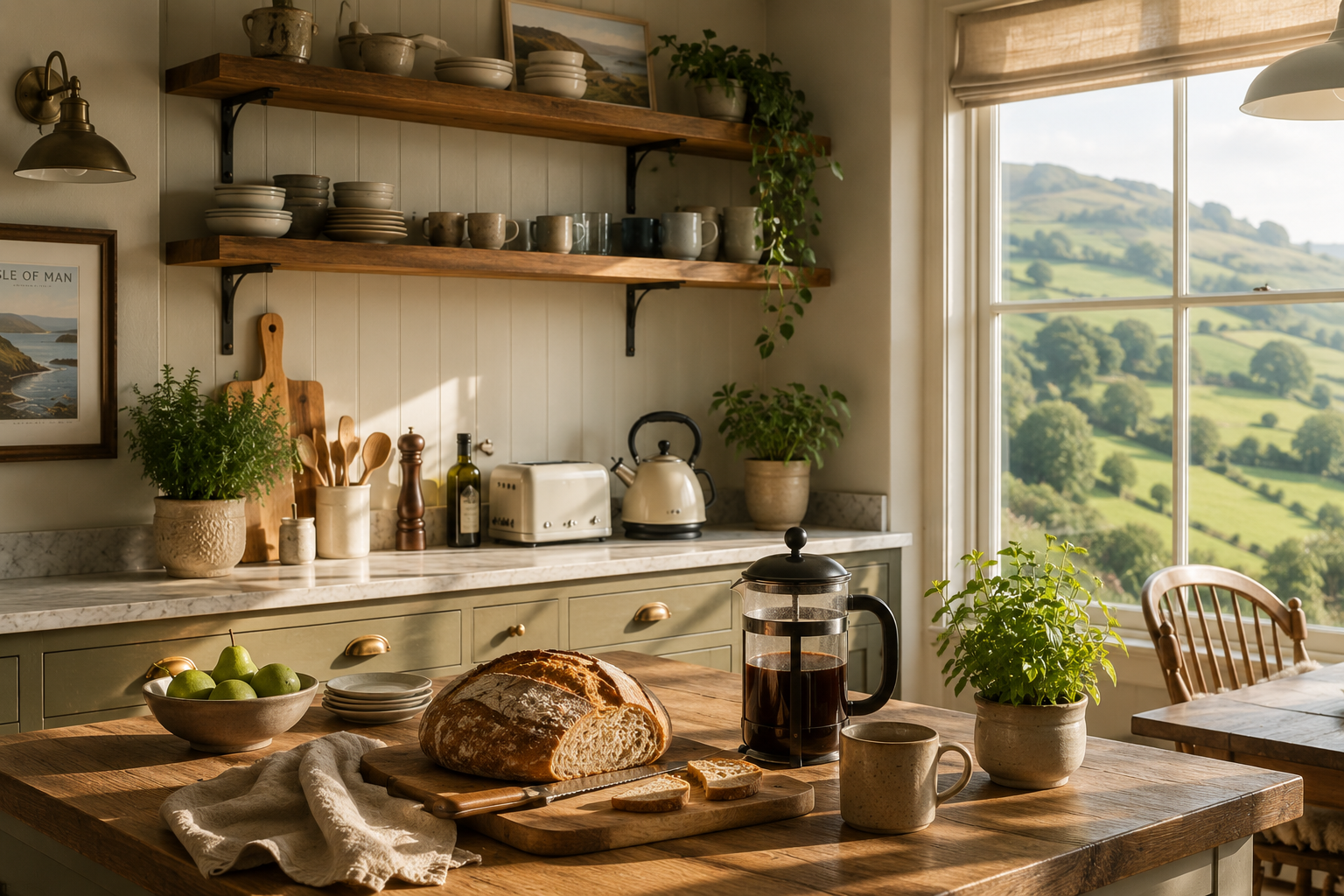
Twenty years ago, self-catering meant a slightly damp cottage in Cornwall with a stack of board games and a kettle that took eleven minutes. The format had its loyalists, but it carried an apologetic tone — the kind of holiday you booked because you couldn't quite afford a hotel. That tone has gone. In 2026, self-catering is the default choice for a significant slice of the British travelling public, and the bookings data shows it.
The reasons are partly structural and partly cultural. Hotels have priced themselves out of the family bracket. Restaurants have become unpredictable on both quality and price. And the post-pandemic instinct to control your own space has not faded. The result is a quiet boom in apartments, cottages and serviced flats, particularly along the Manx coast and around the older British seaside towns.
What Changed in the Stock
The honest answer is that the supply got better. Twenty years ago, most self-catering rentals were second homes that the owners couldn't quite be bothered to upgrade. The kettles really were eleven-minute kettles. The mattresses were tired. The towels had the texture of fine sandpaper.
By 2026, the surviving operators have invested. Most listings now arrive with decent coffee equipment, induction hobs, USB sockets in the bedside tables, and bedding that wouldn't embarrass a mid-range hotel. The bad operators have been weeded out by the review economy. The Tourism in the Isle of Man overview — the Tourism in the Isle of Man overview on Wikipedia is a useful starting point — gives a sense of how seriously the sector is now taken at policy level.
The Economics of a Week
Run the maths and it explains itself. A family of four in a mid-range hotel pays for two rooms or pays a premium for a family suite. Breakfast for four every morning is £60 minimum. Dinner is somewhere between £80 and a small mortgage. A week at that rate is genuinely punitive.
The same family in a two-bedroom self-catering apartment pays a single nightly rate, often less per night than one of the hotel rooms, and cooks two of the three daily meals from a supermarket shop. The week works out at roughly half the cost, and the family eats better.
For couples without children, the calculation is less dramatic but still consistent. The price gap is smaller, but the apartment usually comes with a kitchen big enough to actually use, a sofa that isn't pretending to be a chair, and a bath you can lie in. None of which the hotel offers at the same price.
The Cultural Shift
There's something else going on, harder to measure. People in their thirties and forties seem to have lost the appetite for the hotel performance — the breakfast buffet queue, the bedroom that looks like a brochure of itself, the small daily transactions with reception. They want a front door, a kettle they can rely on, and the option to eat cereal in their pyjamas at eleven.
This is not laziness. It is a recalibration of what a holiday is supposed to feel like. The work week has bled into evenings and weekends; the holiday week needs to do real recovery work. A hotel can be a beautiful experience, but it is not, fundamentally, a restful one. An apartment is.
Where the Format Will Go Next
The next wave of self-catering is starting to look more like serviced apartments — properties that combine the independence of a rental with light hotel-style touches: a welcome shop of basics, a cleaner mid-week, optional laundry, a printed local guide. The Manx coast has been one of the quieter leaders in this format. Whether it stays quiet is another question entirely.