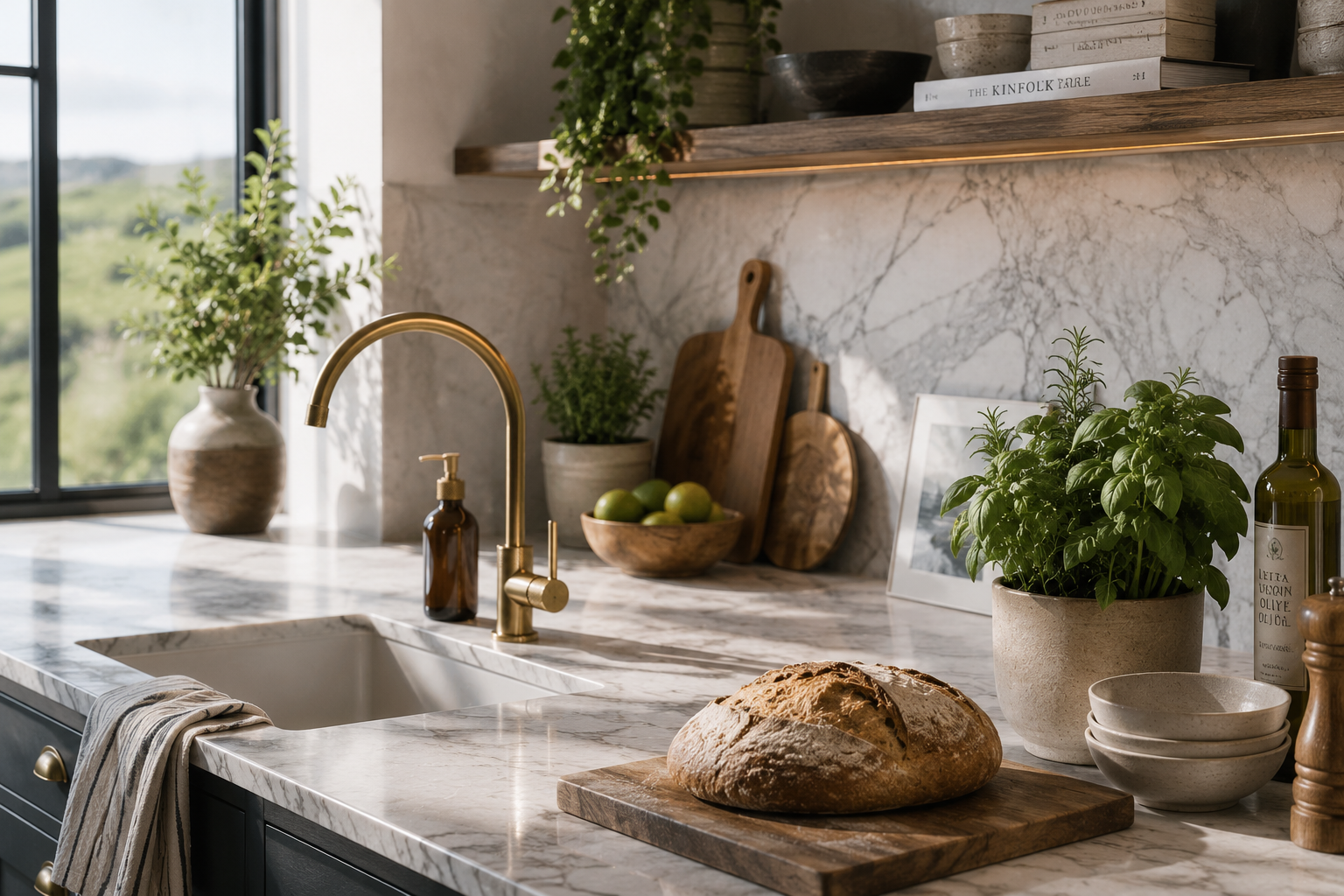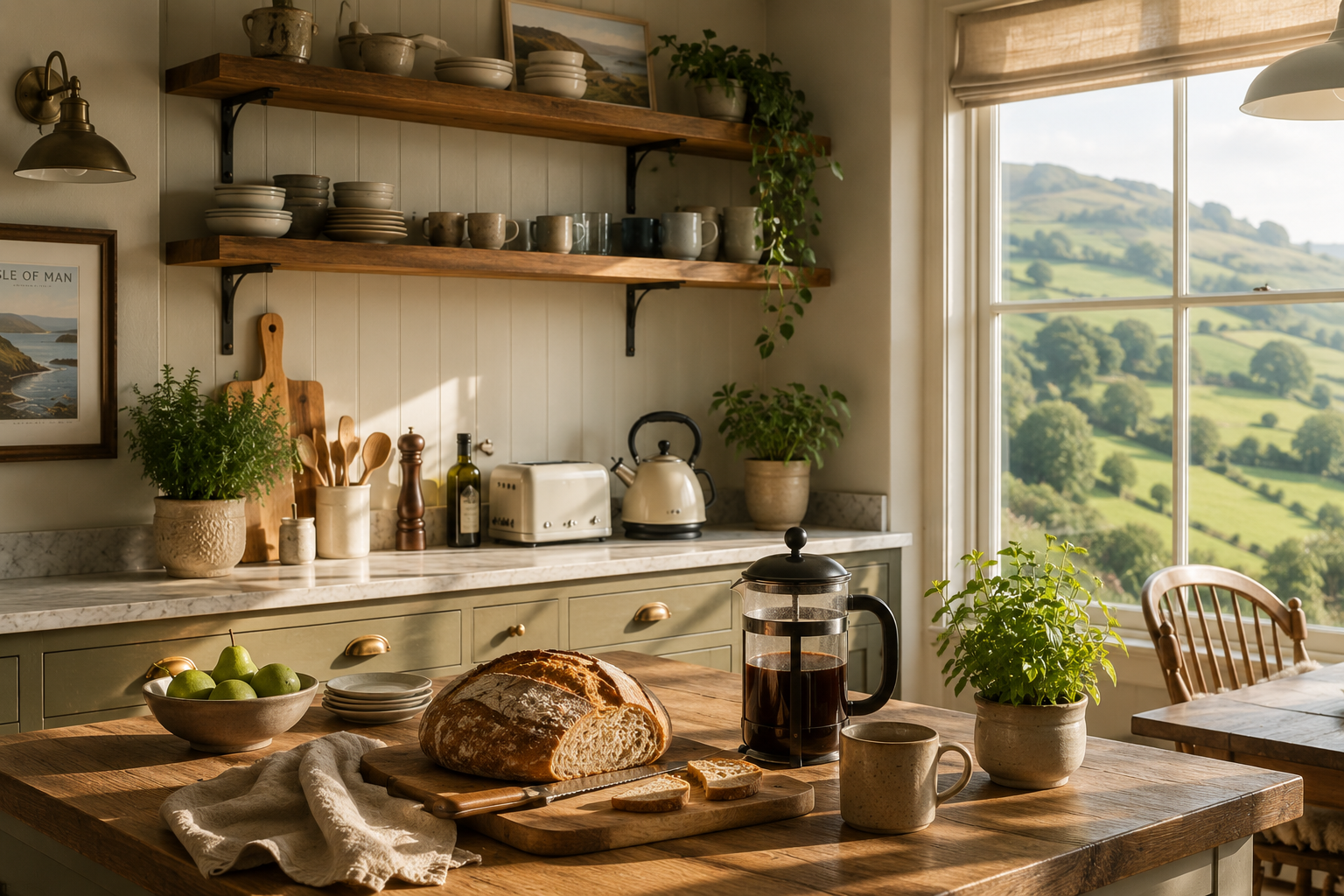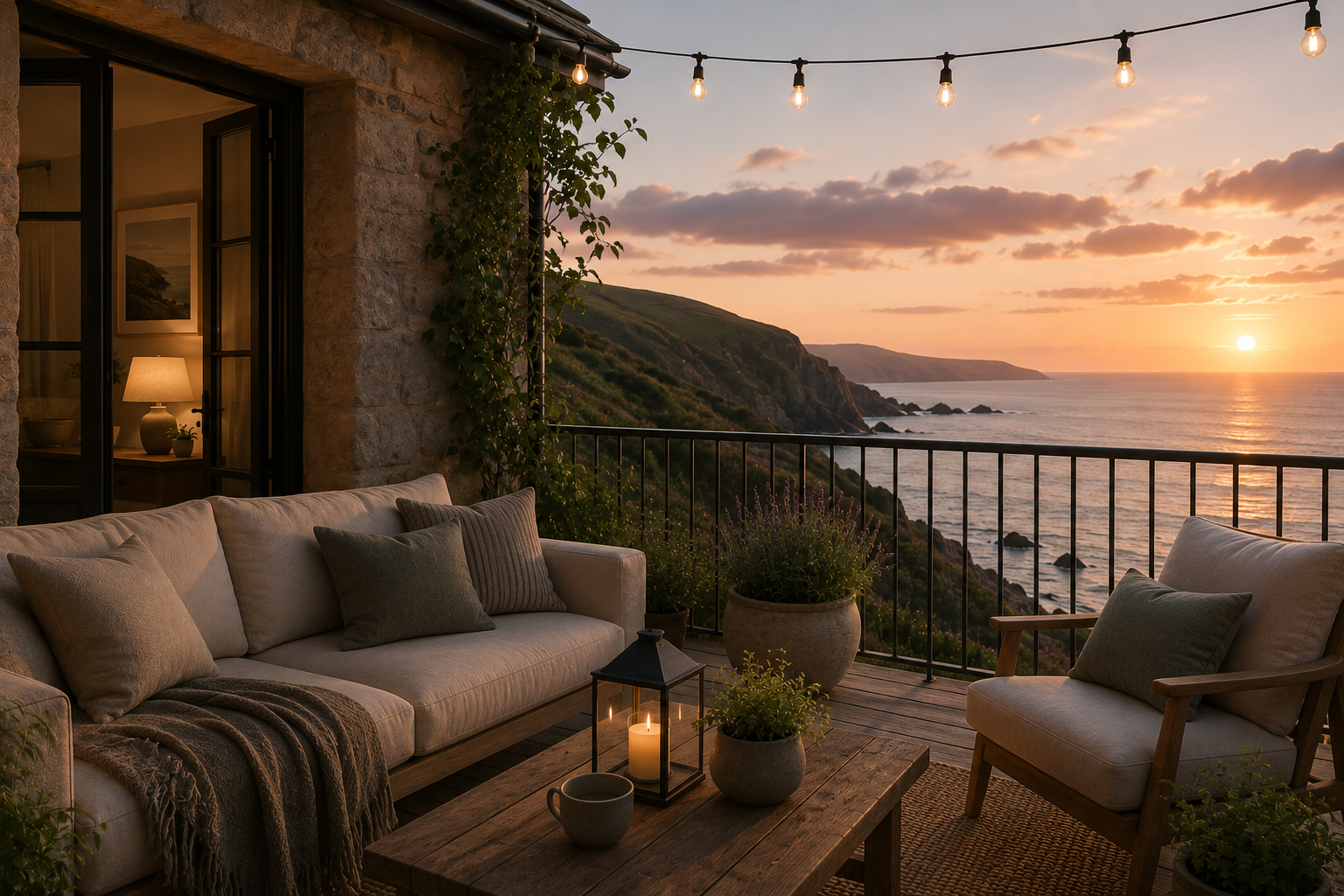
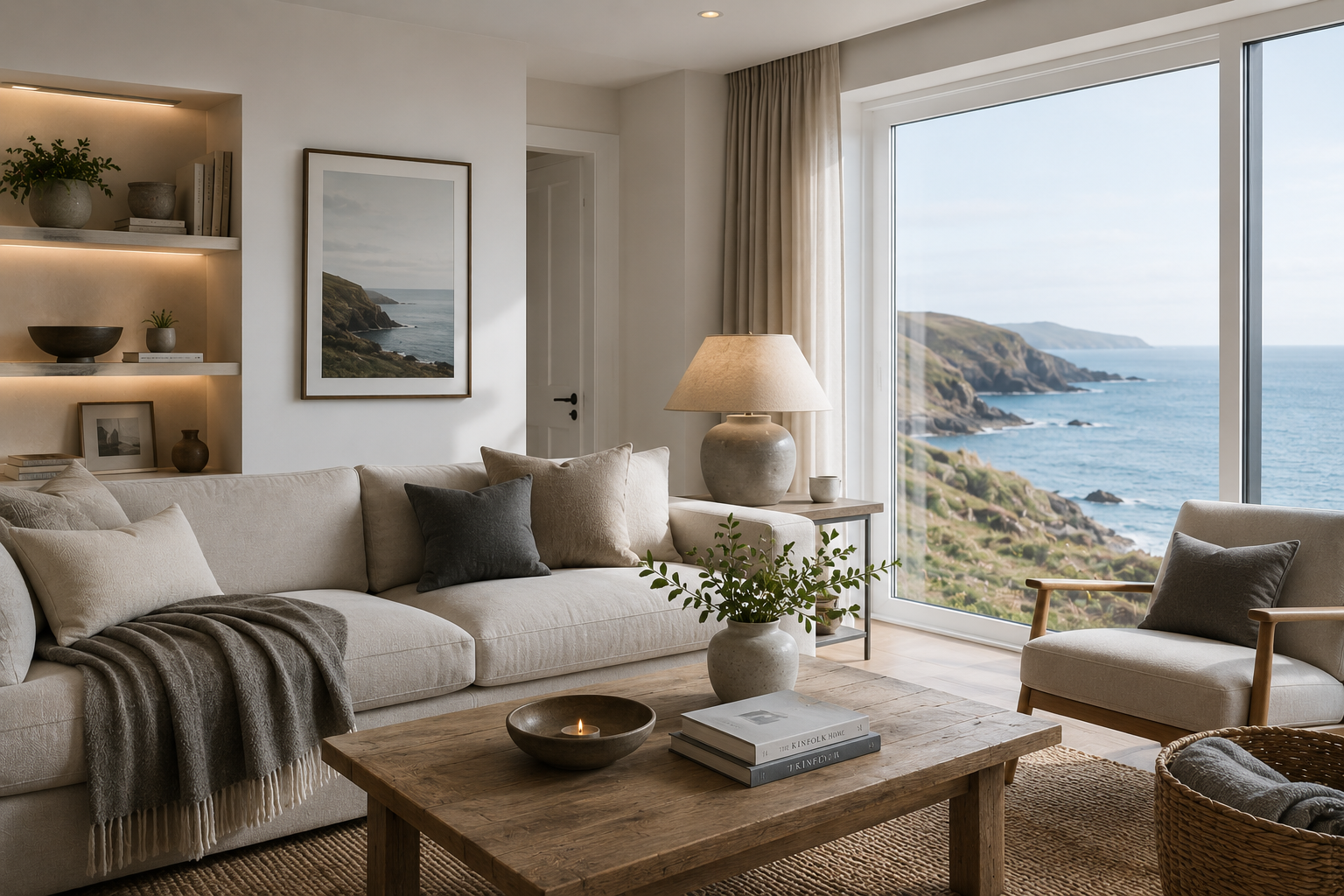
The phrase "quiet luxury" has been used so often in the fashion press that it has nearly worn out, but it remains the most accurate label for what is happening to the upper end of UK self-catering. The format is no longer about budget alternatives to hotels. At the upper end it has become an aspirational category in its own right — the kind of accommodation people post about deliberately quietly, because the whole point is that nothing about it shouts.
The Isle of Man has been a quiet leader in this shift. The Manx coast attracts a certain kind of guest, and the operators have responded by raising the standard of fixtures, fittings and small details until even the mid-range listings now resemble what would have counted as luxury fifteen years ago.
What "Quiet Luxury" Actually Means in a Rental
It is easier to describe by negatives. Quiet luxury does not mean marble bathrooms, gold taps or chandelier light fittings. It does not mean "designer" furniture in the sense of obvious brand statements. It does not mean an aggressive colour scheme or feature walls. It is, in practical terms, the careful absence of visible price tags.
What it does mean is linen sheets that have already been washed enough times to feel right. A Smeg or a Sage in the kitchen, not because the brand matters but because the toaster and kettle will function reliably for the duration of the stay. Towels that absorb water. Mattresses that have been replaced inside the last five years. Bedside lights you can actually read by. Lamps with warm-tone bulbs. Floor lamps you can move.
These things are not expensive in absolute terms. They are expensive in attention.
The Small Honesty-Box Economy
One of the recurring details of the upper-end Manx apartment is the small "welcome basket" or honesty box. A bottle of Manx gin, a few jars of Manx kipper pâté, some bread from a named local bakery, perhaps a small box of fudge or oat biscuits. Some operators bill these as complimentary; others price them at cost and trust the guest to settle up.
The economic effect is small. The psychological effect is large. Arriving in an apartment to find specific, named, local food signals that someone with taste has been involved in the property's running. It is the cheapest possible signal of seriousness, and it explains a striking amount of the reviews.
The Information Around the Stay
The other signal is the printed local guide. Not a corporate brochure of laminated photos. A short, opinionated, two-or-three-page document with handwritten or near-handwritten notes about which restaurant to book for an actual meal versus which one is fine for a Sunday lunch. The names of the people who run the bakery. The walk to do on the first morning. The walk to save for the day the weather is uncertain.
The Isle of Man is in some ways the perfect setting for this format because the island is small enough that the operator genuinely does know every detail. The official visitor authority publishes the official visitor guide if you want the formal overview, but the apartment-by-apartment local guides are usually more useful in practice.
Why It's Working
The quiet luxury category is working in 2026 partly because the loud-luxury hotel category has lost the plot. Five-star hotels have priced themselves into a category that delivers diminishing returns. A £500-a-night room with a marble bathroom and a turn-down service is not a more restful experience than a thoughtfully appointed £200-a-night apartment with a real kitchen and a sofa. It is just a more performative one.
The guests who have noticed this are quietly migrating. They were never the loudest market segment, but they spend reliably, they leave the property in good condition, and they come back. For the operators paying attention, they are the foundation of the next decade of self-catering on the Manx coast.