After a decade of staying in Manx self-catering apartments — some of them quietly excellent, some of them quietly disappointing — a pattern emerges. The difference between a great apartment and a mediocre one is rarely the floor plan, the view, or the headline amenities. It's a string of small interior decisions, most of which the guest doesn't consciously notice until they go missing.
Below are the design notes we've taken on the road, mostly on the Isle of Man but applicable anywhere in the UK self-catering market. Operators thinking about an upgrade should start here. Guests booking their next week away should read it as a checklist for the listing photos.
The Kitchen Test
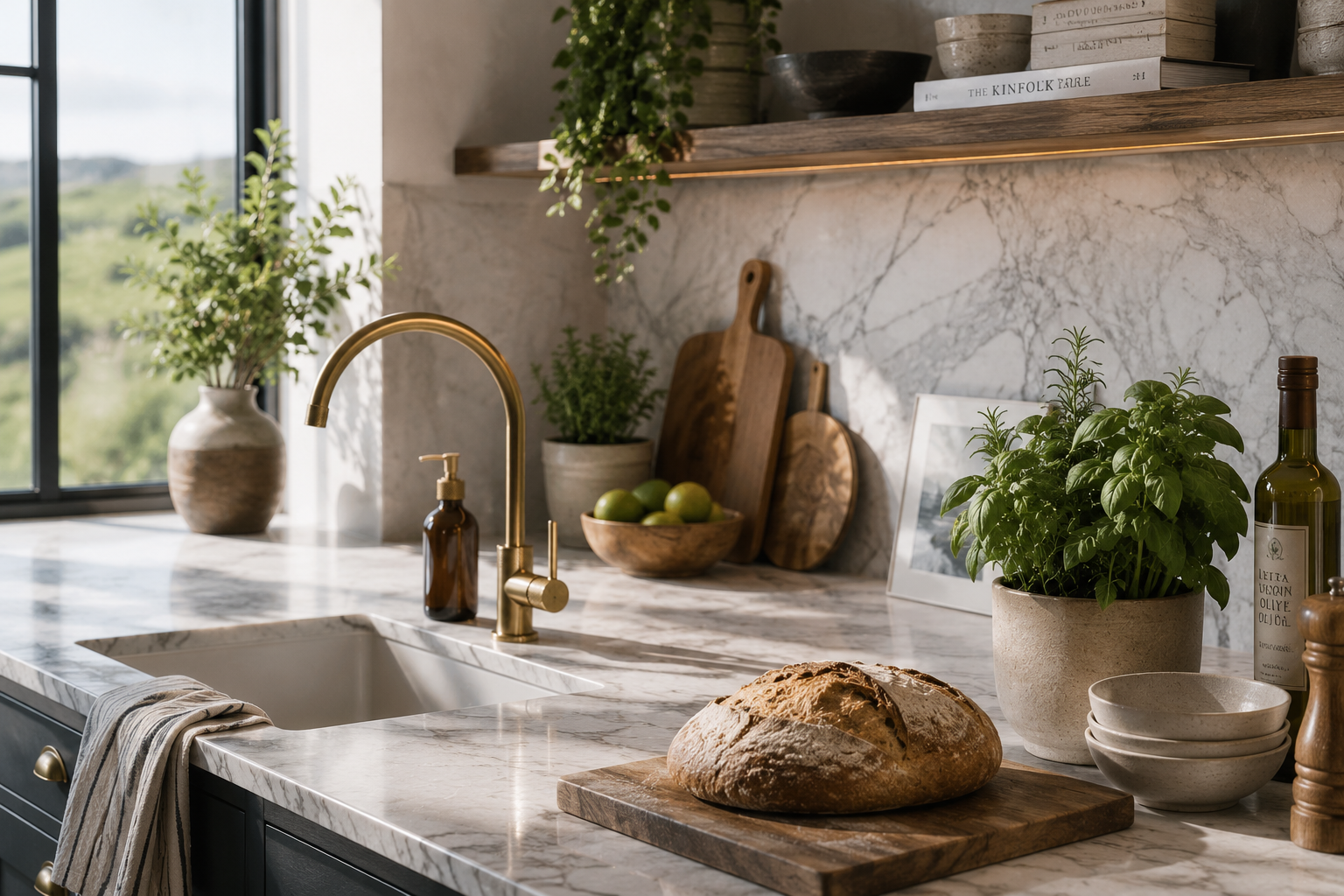
A self-catering kitchen lives or dies on three pieces of equipment: a sharp knife, a heavy pan, and a kettle that boils in less than two minutes. Add a proper coffee setup — a French press at minimum, a stovetop moka or pour-over at best — and a small set of decent wine glasses. That's it. Everything else is decoration.
The apartments that get this right cost no more to fit out than the ones that don't. A genuine Wusthof costs the same whether you put it in a holiday let or a domestic kitchen. The operators who skimp on the knife and spend the money on a feature wall have misread the brief entirely. Great British Life's reporting on Manx hospitality consistently picks up the same point — Great British Life's reporting on small-island hospitality is full of guest feedback that comes back, again and again, to the kitchen.
The Bed and the Bath
A good bed is a mattress that doesn't sag in the middle, sheets that are 200-thread cotton or better, two pillows per head (one firm, one soft), and a duvet that matches the season. None of this is exotic. All of it is routinely missing. The apartments that get this right are the ones where the operator has actually slept in the bed for a week, in winter and in summer, and adjusted accordingly.
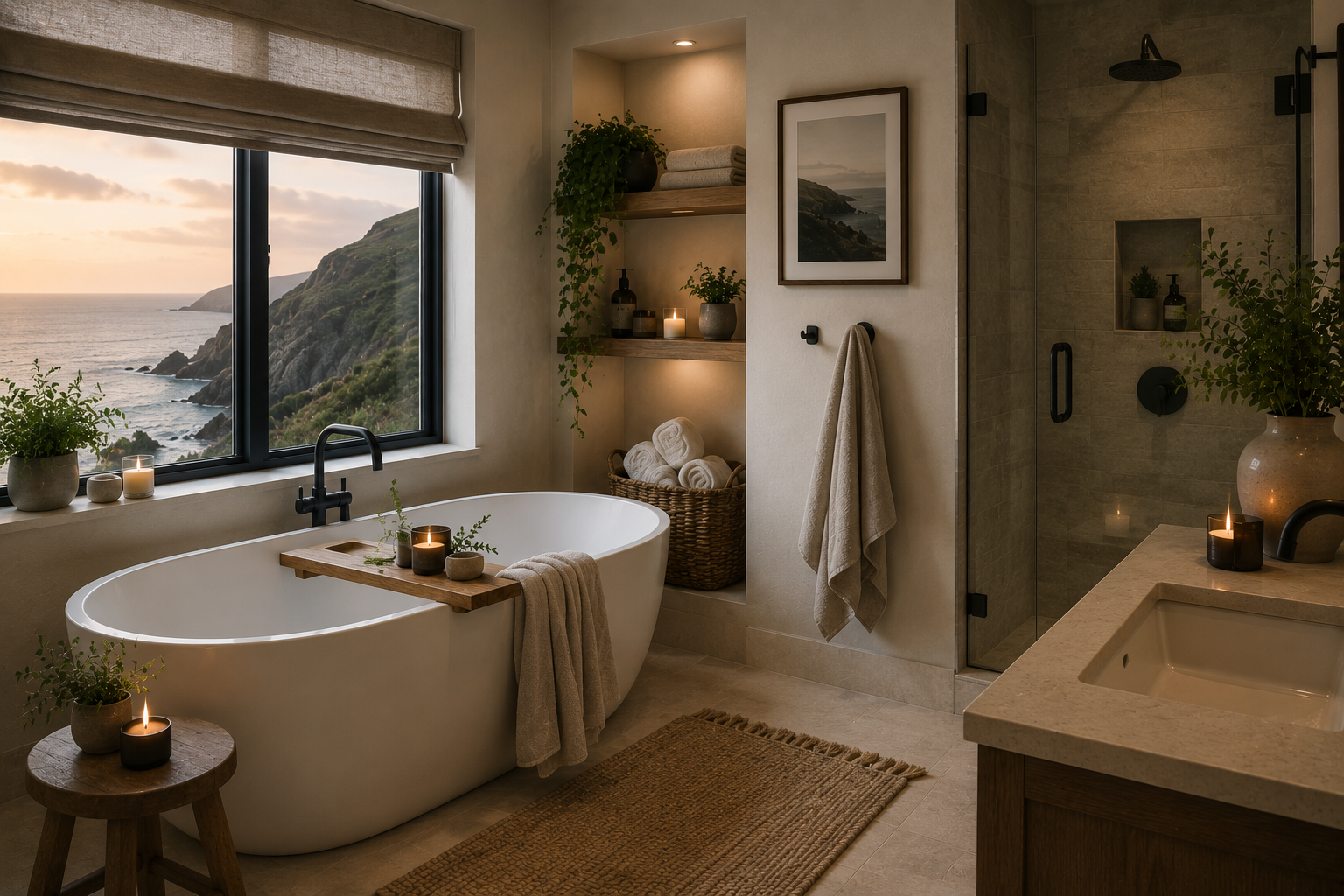
The bath is simpler. A bath that's long enough to lie in, a shower that holds a steady temperature, towels that are at least 600gsm. Heated towel rail if the room can take it. Hooks in sensible places. The traveller's complaint about UK bathrooms is almost always about a missing hook or a poorly-placed shelf.
Lighting and Quiet
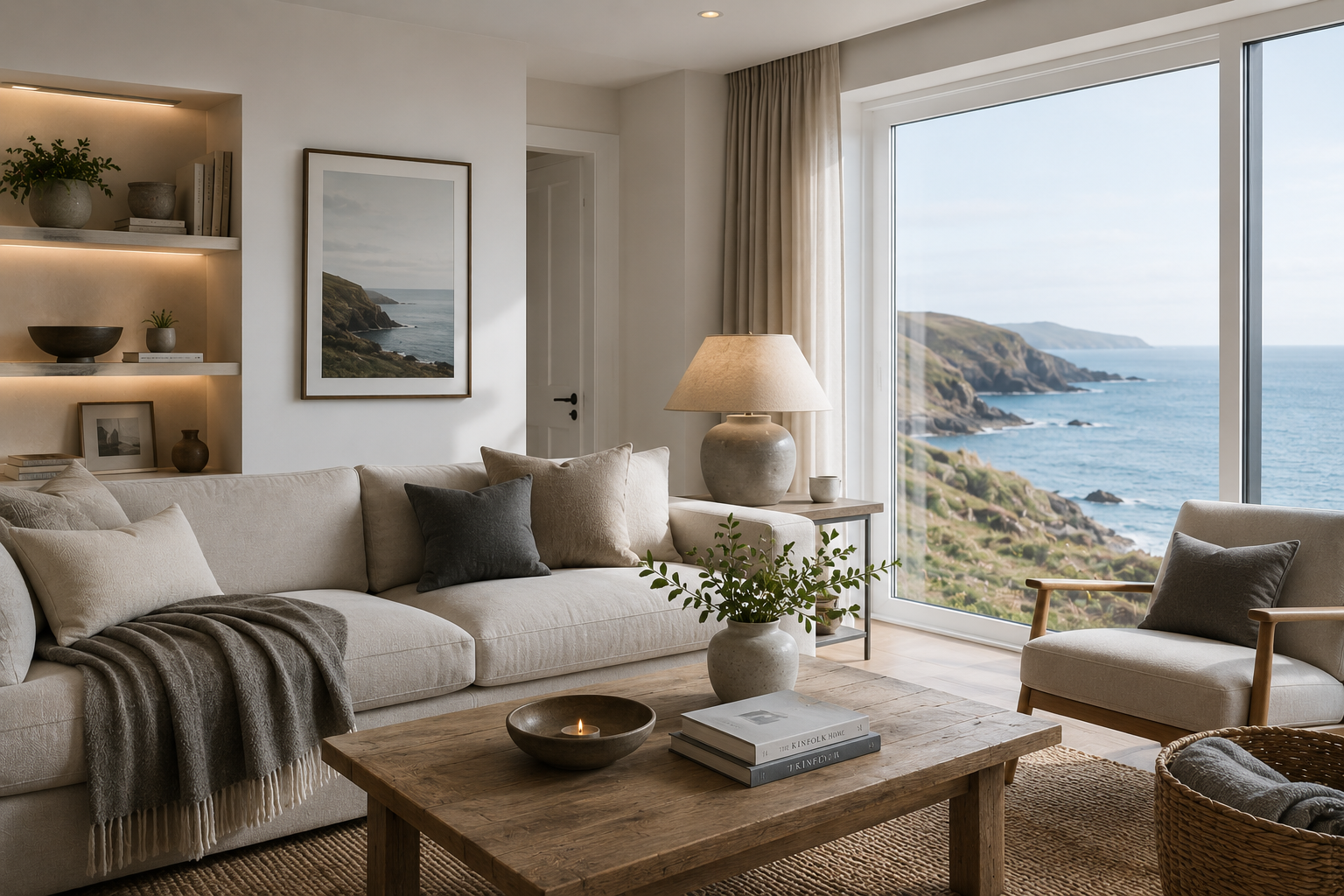
The single most overlooked design element in UK self-catering is lighting. Most apartments are over-lit from the ceiling and under-lit at the bedside. A great apartment has at least three lighting zones in the living area — ceiling, table lamp, reading corner — and dedicated bedside lights bright enough to read by. The bulbs are warm-white, not the harsh cool-white that came with the fitting.
Quiet is the other invisible quality. Solid doors, fitted carpets in the bedrooms, a fridge that doesn't hum, plumbing that doesn't bang. The best Manx apartments are the ones where you genuinely forget you're in a building with other people. That requires the operator to have thought about acoustics before they thought about Instagram.
The Stuff You Don't Notice
The final layer is the small stuff that guests don't write reviews about because they didn't realise it was there. A real mirror at face height, not a tilted decorative one. Plenty of plug sockets, including by the bed and by the sofa. A useful side table next to the armchair. Coat hooks by the front door. A boot tray. Hangers in the wardrobe, the wooden kind, not the wire kind.
None of this is expensive. All of it is the difference between an apartment you remember and one you don't. The operators who understand this are the ones who run their properties as if they themselves were going to stay there next month — because, very often, they do.