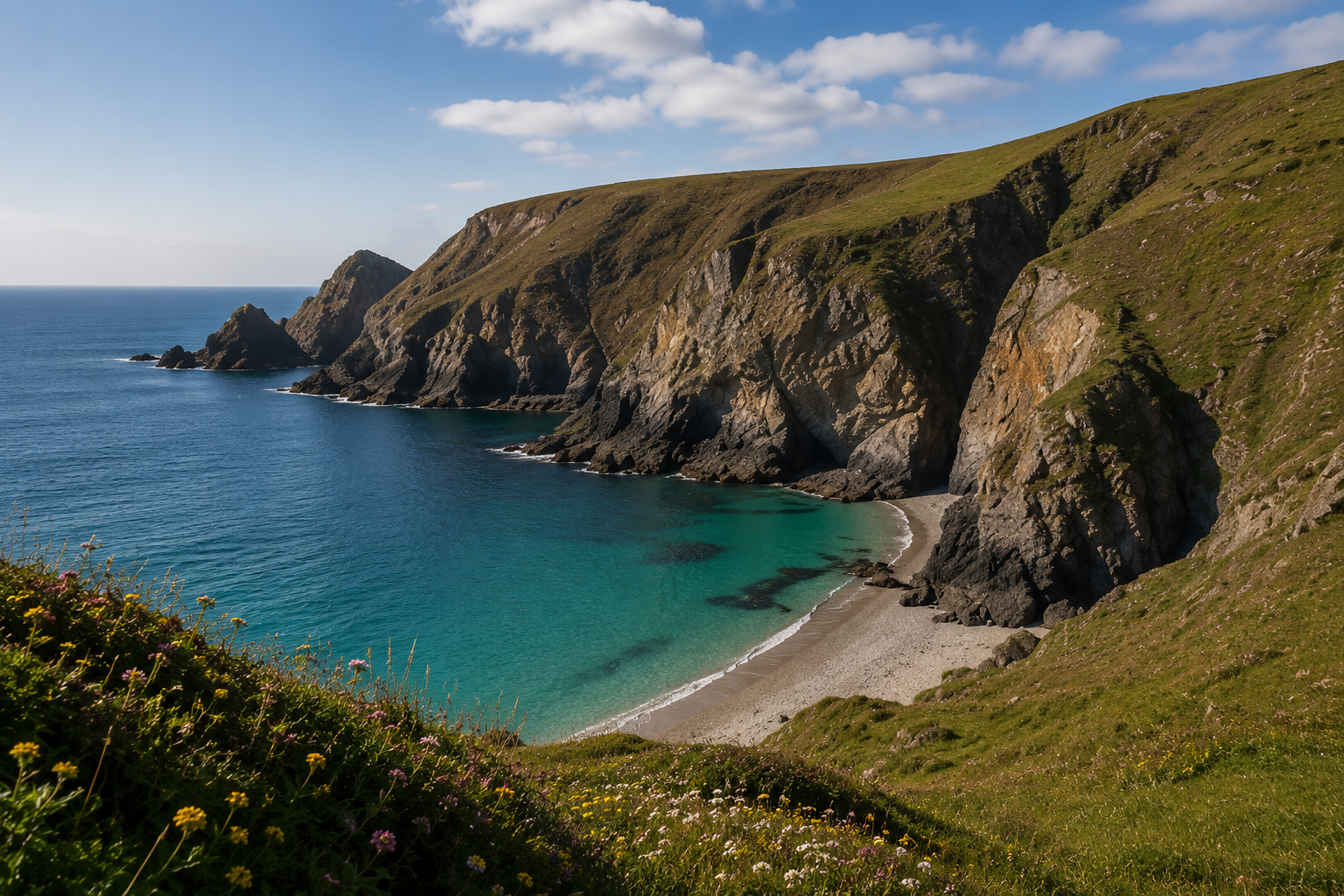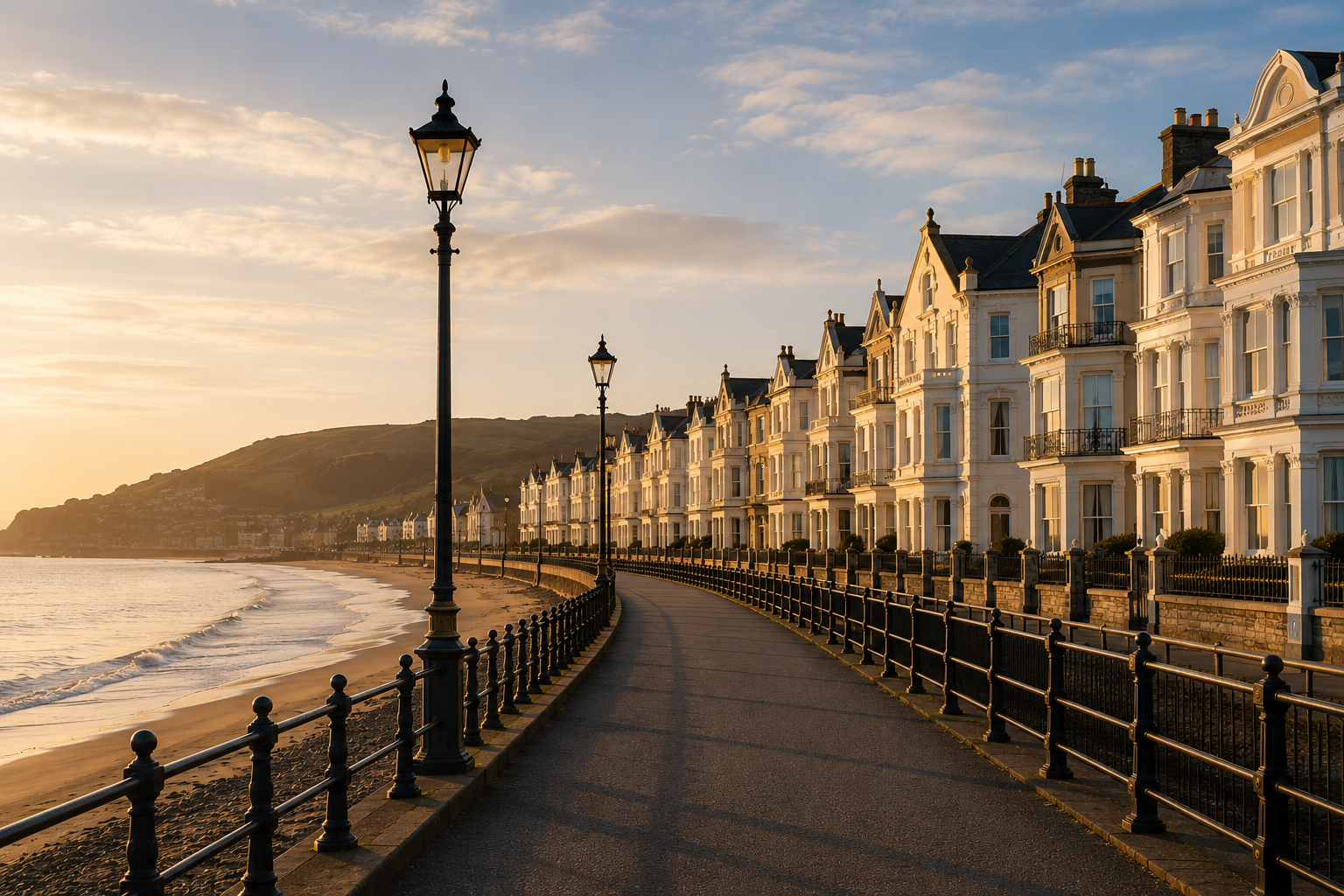
The first thing you notice in Cotterdale is what you don't hear. No motorway hum, no helicopter rotors, no traffic light beeping at the crossing. Just gulls, the occasional sheep, and on quieter mornings the rumble of the steam railway easing along the coast in the distance. The Isle of Man has always traded on this kind of quiet, but Cotterdale is one of those small pockets where the volume drops even further.
Most visitors arrive expecting a long weekend and end up rearranging their week. Three days becomes five. Five becomes the next ferry. The island has that effect, and Cotterdale in particular — tucked between rougher cliffs to the north and softer farmland to the south — feels engineered to slow people down.
Arriving on the Manx Clock
The first morning in a Cotterdale apartment is always slightly disorienting. The light comes in earlier than you expect because there's no obstruction across the water. You get up, put the kettle on, and find yourself staring out of the window for twenty minutes before you remember you meant to make toast. That's the Manx clock starting up.
By day two you are checking the tide tables instead of your phone. By day three you have stopped wearing a watch entirely. Lunch is whenever you walk past the apartment kitchen and remember you bought a loaf at the bakery in Onchan. Dinner is when the light goes orange across the bay.
What a Small Apartment Gives You
There's a particular pleasure in a well-sized apartment on the Manx coast. Not a sprawling cottage, not a hotel suite, but a one or two-bedroom space with a kitchen you can stand in, a bath you can lie in, and enough wall to lean against while you read. The Cotterdale apartments tend to follow this pattern: built into older buildings, modernised carefully, oriented towards the view rather than the road.
This matters more than guidebooks admit. A bad apartment with a perfect view is still a bad apartment. A good apartment with a glimpse of sea between two rooftops will outperform it every time, because you actually want to be inside it. Cotterdale's accommodation stock has quietly improved over the last decade. The places that have survived the shake-out are the ones that got the interiors right.
Walks That Start at the Front Door
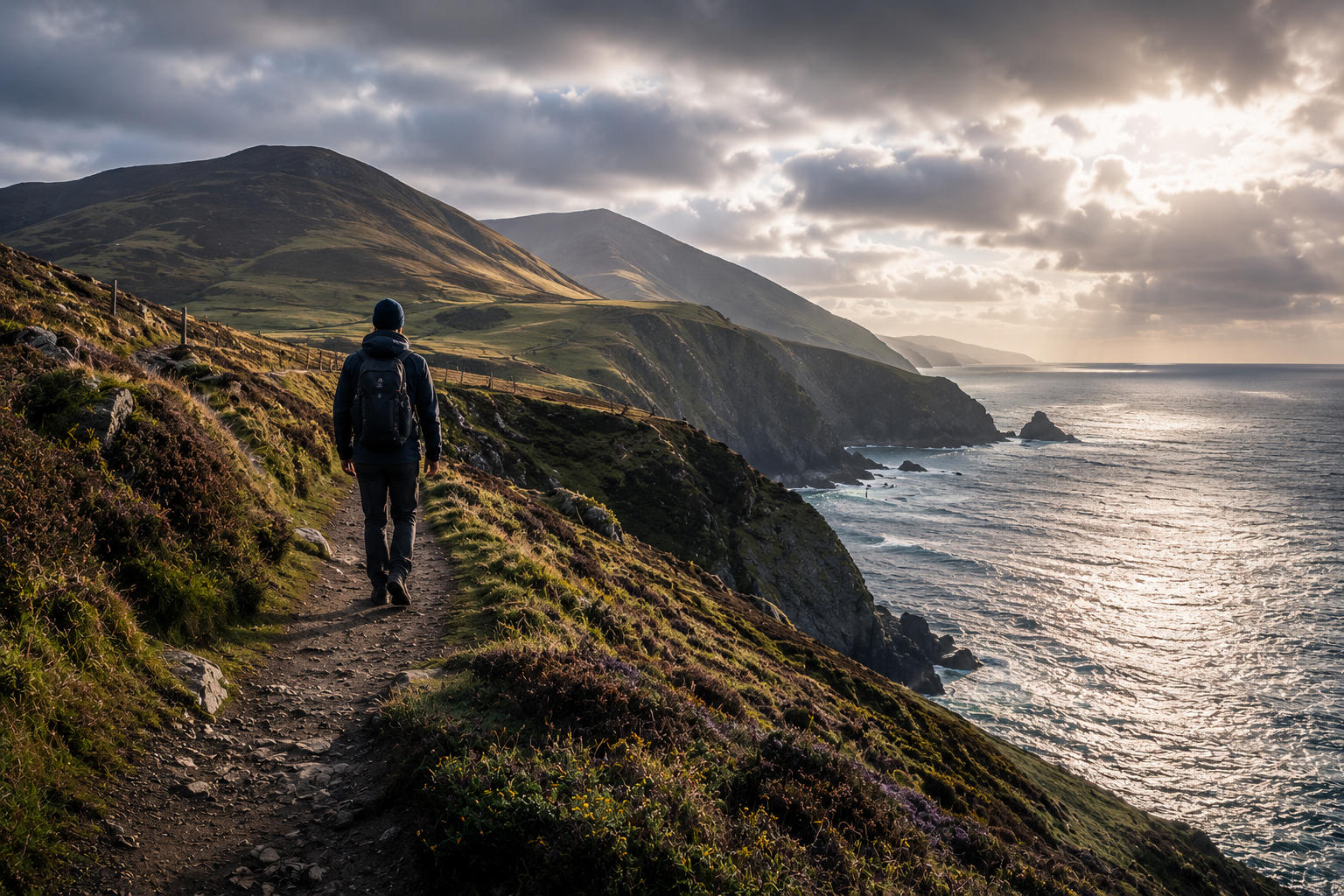
You don't drive anywhere from a Cotterdale stay if you don't want to. The coastal path runs almost from the doorstep, looping north toward the headlands and south toward the more sheltered bays. An hour out, an hour back, and you have done a proper walk. Two hours each way and you are well into the section of the Raad ny Foillan that gets featured in walking magazines.
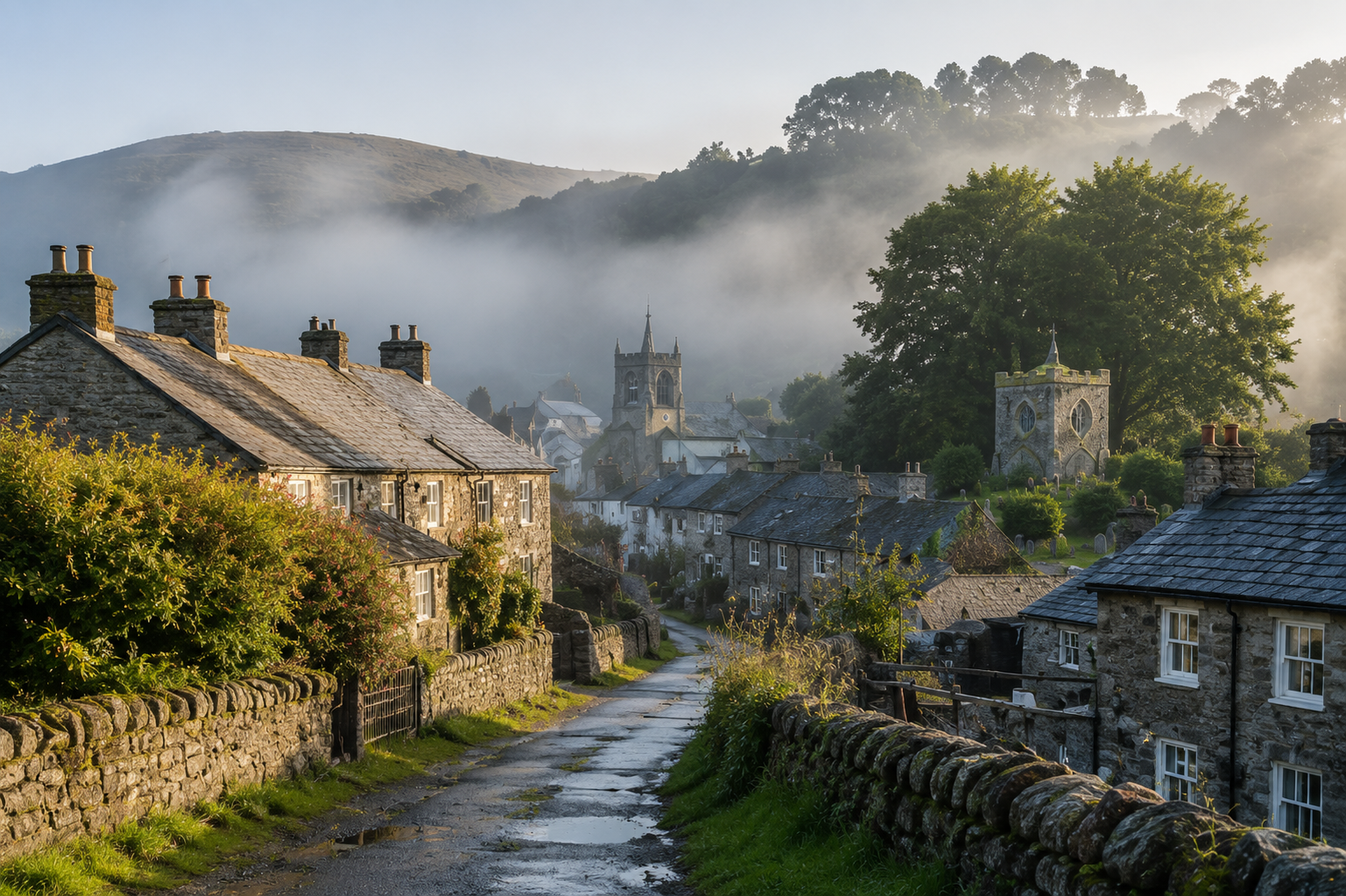
The lanes inland are just as good. Drystone walls, the occasional Manx cat sunning itself, hedgerows that haven't been industrially trimmed. You can walk for forty minutes and pass three cars and four farmers. Most of the farmers will say hello.
Why People Come Back
The honest answer is that there is nothing aggressively impressive about Cotterdale. No headline attraction, no flagship restaurant, no famous beach. What it has instead is the absence of all the things people travel to escape: crowds, noise, queues, the low-grade panic of constantly choosing between options.
Guests tend to leave promising to come back, and most of them do. Some return for the same week every year — the apartments here have a high rate of repeat bookings — and a small handful have ended up buying their own bolthole on the island. Cotterdale is small enough that the regulars start to recognise each other in the bakery queue. That, in 2026, is rare enough to be worth a flight.